Best WoW Realms to Join for Active Communities and Raiding
The best WoW realms to join are the ones where the ruleset, game version, activity level, and raid schedule fit how you actually play. Before choosing by a realm’s name or a single population figure, check whether its community is active at the times you play and whether it supports your preferred kind of group content.
Start with the version and ruleset you want
A busy realm can still be the wrong choice if it runs a game version or ruleset you don’t enjoy. Decide first whether you want current retail-style play or a private realm built around a particular era, such as Classic, The Burning Crusade, or Wrath of the Lich King. Then narrow it down by whether you want relaxed questing, open-world PvP, roleplay, or a more demanding progression experience.
Rulesets shape more than combat. They influence how players meet, what kind of community forms, and what group activities feel like. Blizzard’s 2026 guide describes Normal, PvP, Roleplaying, and Hardcore as separate ecosystems for grouping, dungeons, raids, and community activity (Blizzard’s overview of WoW: Forever rulesets). That makes the ruleset a better starting filter than choosing a realm based on a familiar name.
| What you want | Look for | Check before joining |
|---|---|---|
| Raiding and dungeons | A realm or connected community with active group recruitment | Raid times, progression goals, and open spots |
| Immersive roleplay | Roleplaying rules or a realm with a visible RP community | Whether events and roleplay are active in your time zone |
| Open-world conflict | PvP rules or a Roleplay-PvP community | How much open-world PvP you want in your routine |
| Classic-era progression | A realm running your preferred expansion | Current progression stage and launch or reset details |
Blizzard describes Roleplaying as intended for players who want to inhabit their characters in a fantasy world, while Roleplay-PvP adds open-world conflict with the opposing faction (Blizzard’s ruleset guide).
Read activity signals beyond the population label

Population labels help you make a first shortlist, but they don’t tell you whether the realm suits your schedule or goals. A crowded realm may have plenty of players online but few groups for your preferred game mode, while a smaller community can feel active if its players organize consistently. Look for recent votes, live player counts when available, and signs of ongoing recruitment or event planning.
Pay attention to when activity is measured. If you usually play late at night, a realm that peaks during your morning may not give you the dungeon groups or raid recruitment you need. Check whether guilds post clear schedules, whether players respond to recruitment, and whether new or returning players can find a place without already knowing the regulars.
VoteRank combines real player votes with live player counts in its listings, giving you two useful signals to consider together. A vote can reflect player interest; a live count can help show who is online. Neither guarantees a good fit, so use them to build a shortlist, then inspect each realm’s community and schedule. You can browse the WoW Private Servers listings to compare Classic, TBC, WotLK, and retail-like realm options.
Choose a realm for raiding, not just its raid label
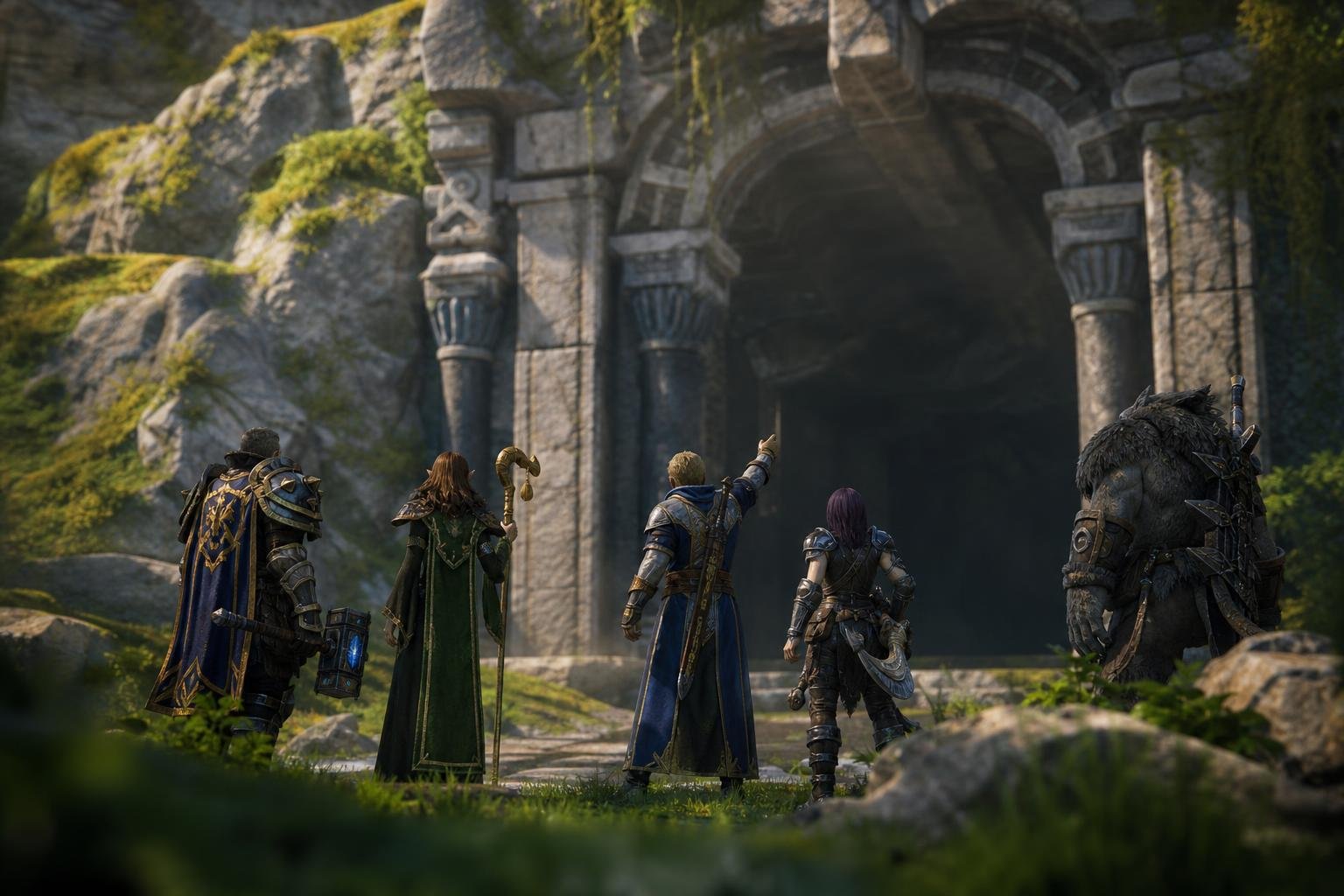
If raiding is your priority, ask what kind of raid community you’re joining. A realm’s headline population won’t tell you whether guilds raid at convenient hours, whether they welcome your role, or whether their progression expectations fit your experience. Look for recruitment details that name raid days, time zone, difficulty, and the roles a guild needs. If those details are missing, ask before you invest time leveling.
Also separate realm choice from guild choice. Blizzard says players can join cross-realm guilds, and Mythic raiding was available from the first day of The War Within, reducing the need to pick a realm solely to access a particular raiding guild (Blizzard’s recap of cross-realm guilds and Mythic raiding). Availability and restrictions can vary by game version and feature, so confirm what applies to the version you plan to play.
For current retail content, Blizzard announced that Midnight Season 2 is live as of August 2026, with the Venomous Abyss as an eight-boss raid and a published dungeon unlock schedule (Blizzard’s Midnight Season 2 announcement). Use the current raid and dungeon schedule to judge whether a guild’s progression pace matches your goals. A community that raids on your evenings is more useful than a famous name that never lines up with your availability.
Know how connected realms and communities affect your choice
Realm boundaries may matter less than they once did, but they have not disappeared from every part of the game. Blizzard says connected realms permanently link two or more realms so players can join the same guilds, use a shared Auction House, and run raids and dungeons together; the system was designed to give lower-population realms more opportunities for group play (Blizzard’s Connected Realms feature preview). That can make a quieter realm more viable when its connected group is active.
Communities offer another route to finding people. Blizzard says World of Warcraft Communities let players from any realm in their region join same-faction groups with their own chat, voice, channels, and calendar events (Blizzard’s Communities preview). Cross-faction guilds can share guild chat and conveniences, though communal play between opposite-faction members is limited to instances (Blizzard’s cross-faction guild announcement).
Before deciding that a low-population realm is a dead end, check which features work across realms in your version and region. If your main goal is a raid group, a guild or community with a compatible schedule may matter more than the realm’s overall label.
Use a short checklist before you commit
A little research can save you from leveling on a realm that has the wrong pace, culture, or progression stage. Compare your finalists using the same questions rather than relying on one appealing feature. If you’re returning after a break, ask whether the community explains its current systems to newcomers or expects everyone to know the latest raid routine.
| Check | What to verify | Why it matters |
|---|---|---|
| Version and progression | Expansion, patch stage, and upcoming milestones | Confirms the content you’ll actually be playing |
| Activity | Recent votes, live counts, and visible group recruitment | Helps distinguish interest from useful activity |
| Schedule | Raid times and the time zone used | Shows whether you can attend consistently |
| Community fit | Guild expectations, chat style, and newcomer support | Helps you find people you’ll enjoy playing with |
| Access | Realm, faction, and cross-realm feature limits | Avoids surprises when joining friends or groups |
Then try the community before making a long-term commitment: ask a guild officer a specific question, join a public event if available, or spend time in the realm’s main social channels. If you’re considering a private realm, check its rules and progression details directly rather than assuming every realm using the same expansion works alike. VoteRank’s WoW Private Servers listings can help you compare options by version and player activity.
Frequently asked questions
Do I need to pick a high-population realm to find raid groups?
Not always. Connected realms, cross-realm guilds, and Communities can expand your options, depending on the game version and feature. Check whether the guilds you’re considering recruit across realms, then compare their raid schedule and progression expectations. A consistently active group that fits your hours can be a better choice than a high population label by itself.
Should I choose a PvP realm if I want to raid?
Only if you also want the open-world conflict that comes with that ruleset. Raiding and realm PvP are separate preferences: choose the ruleset you’ll enjoy while leveling and exploring, then look for a guild with suitable raid times and goals. Check the current version’s rules before assuming that a realm’s PvP label affects every group activity.
What should returning players check before transferring or starting over?
Confirm the realm’s version, current progression stage, guild recruitment, and raid schedule first. Then check whether your friends’ guild or community can include you across realms, and whether any faction or feature restrictions apply. If you’re looking at a private realm, read its own rules and progression details rather than relying on assumptions about the expansion name.
How can I tell whether a WoW private realm is active?
Use more than one signal. Compare recent votes with live player counts where available, then look for active recruitment, event planning, and responses from players or guild leaders. Ask about peak play times and raid activity in the community. A listing can help you shortlist realms, but speaking with players is the best way to judge whether the culture fits.